Homeschool Mom SVG Design: Yoga Pants Review
As a professional embroidery digitizer and product reviewer, I approach every new graphic asset with a critical eye toward stitchability. When evaluating the Homeschool Mom Svg Design Yoga Pants C, my primary concern is not just how the artwork looks on a screen, but how it translates into thread on fabric. This design captures a specific cultural moment—the relatable, caffeinated, messy-haired reality of modern homeschooling—and packages it for the maker community. However, moving from a digital vector file to a tangible handmade product requires understanding the interplay between graphic design and machine mechanics. My assessment below focuses on practical application for Etsy sellers, apparel decorators, and hobbyists looking to create items that customers actually want to wear and buy.
Translating Vector Art to Stitch Reality
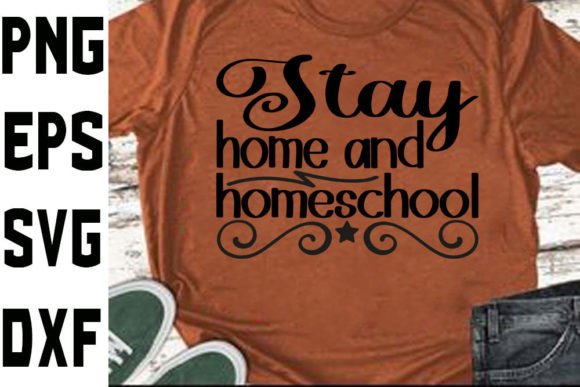
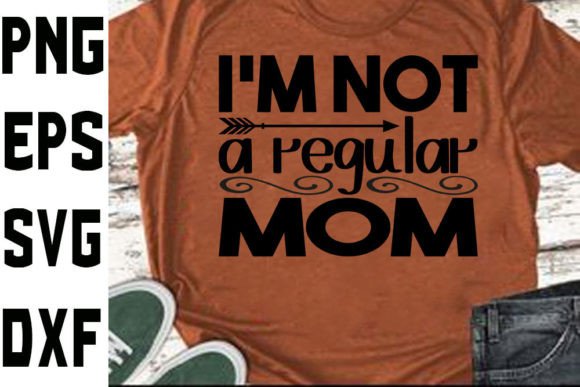
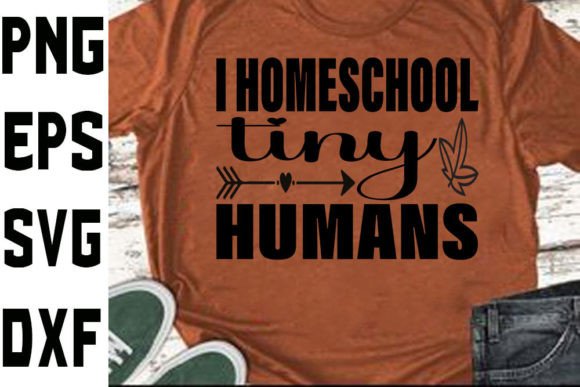
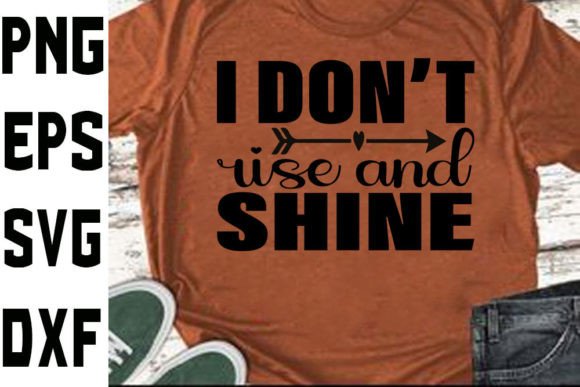
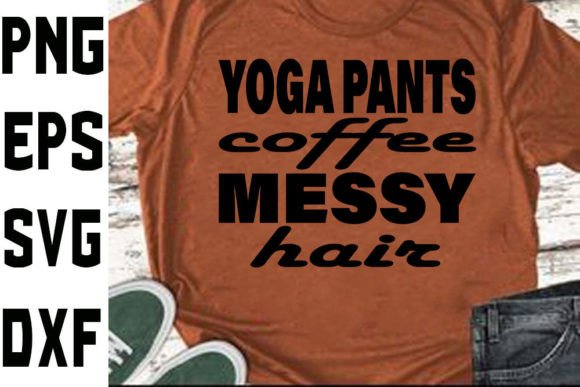
The first impression of this digital embroidery file is one of playful typography and illustrative charm. The inclusion of EPS, SVG, PNG, and DXF formats suggests versatility, but for us in the craft business, the SVG and EPS are the workhorses. Visually, the design balances text with iconography (yoga pants, coffee cup, hair elements). From a digitizing perspective, this balance is crucial. A design that is too text-heavy can become dense and stiff, while one that relies solely on icons may lack context.
In reviewing the layout, I look for clear separation between elements. For a successful machine embroidery design, there must be adequate spacing to prevent thread buildup. The "messy hair" element likely involves organic lines that could be rendered as running stitch or light satin columns. If these lines are too thin in the source file, they risk disappearing during stitching or causing needle breaks. Conversely, the coffee cup and yoga pants graphics offer opportunities for fill stitch or even an applique design if you wish to reduce stitch count and add texture. As a reviewer, I appreciate designs that leave room for interpretation, allowing the digitizer to choose the best stitch type for the target garment rather than forcing a single, dense outcome.
Real-World Application: The Sweatshirt Test
To truly evaluate this asset, I mentally placed it in a real-life production scenario: creating a custom crewneck sweatshirt for a homeschool co-op fundraiser. This is a classic use case for sweatshirt embroidery. Sweatshirts are typically made of fleece or French terry, fabrics with significant loft and stretch. Here, the Homeschool Mom Svg Design Yoga Pants C needs to perform under less-than-ideal conditions.
For this project, visual clarity is paramount. The humor lies in the details of the illustration and the legibility of the phrase. On a textured fleece background, fine details can get lost. I would recommend utilizing a heavier weight stabilizer and potentially a water-soluble topping to keep the stitches crisp. If the design includes small text describing the "messy hair" or "coffee," I would verify that the letter height exceeds 4mm to ensure readability after washing. In this scenario, the design serves as a badge of identity. Customers aren't just buying a shirt; they are buying validation of their lifestyle. Therefore, the finished product must feel professional, not homemade in a pejorative sense. The stitch-out should have clean edges and proper registration, proving that the underlying design assets were high quality.
Navigating Fabric Challenges and Hoop Limitations
While this graphic is versatile, certain applications require caution. I advise against using this specific design on structured caps or hats unless you have confirmed the vertical height fits within your cap frame. The combination of stacked text and vertical imagery often conflicts with the curved surface of a hat, leading to distortion at the top or bottom edges. Similarly, for baby embroidery or lightweight tea towels, the potential density of a multi-element design could cause puckering or fabric damage.
If you intend to use this for tote bag design on unlined canvas, the results are generally excellent due to the fabric's stability. However, for stretchy knit fabrics like performance yoga wear itself, the design’s complexity becomes a liability. Stretch fabrics demand low-density designs with ample open space. If the Homeschool Mom Svg Design Yoga Pants C features large solid fill areas, it may restrict the fabric's natural movement or cause tunneling. In such cases, I strongly suggest testing a modified version with reduced density or converting solid areas to appliqué. Always check your hoop size limitations before purchasing; resizing a complex design by more than 20% can alter stitch angles and compromise the integrity of the artwork.
Commercial Viability and Customer Perception
For small shop product lines and Etsy seller listings, this design hits a profitable niche. It targets a demographic that values humor and relatability. However, commercial success depends on presentation. When creating a printable mockup or listing photo, ensure the design is shown on a garment color that provides high contrast. If the design uses dark thread colors, avoid photographing it on black fabric where details vanish. Visual appeal drives buyer engagement, and your product photos must demonstrate that the embroidery project yields a premium result.
Furthermore, consider the perceived value. A well-executed custom apparel piece using this design can command a higher price point than generic clip-art merchandise because it speaks to a specific emotional experience. The "homeschool mom" identity is strong, and products that validate that identity sell well. However, trust is built on consistency. If you sell this as a personalized gift, ensure every stitch-out matches the quality of your listing photos. Professionalism in commercial embroidery means rejecting test runs that show poor registration or thread tension issues, even if the digital file itself is flawless.
Essential Designer Notes for Success
Before loading this file into your machine, adhere to these practical protocols to ensure the best outcome for your embroidered patch, apparel, or home decor:
- Test Stitch First: Never run this design directly onto a final product without a test sew-out on similar scrap fabric. Verify that the stitch density is appropriate for your specific material weight.
- Check Licensing: Confirm whether your purchase includes commercial rights for selling finished goods versus digital files. The ZIP contents list formats, but usage terms dictate your business model.
- Thread Color Contrast: Evaluate your thread colors against the garment. The humor in "messy hair" might rely on a specific shade; ensure it reads clearly against both light and dark backgrounds.
- Stabilizer Selection: Match your stabilizer to the fabric, not the design. Knits need cut-away; wovens need tear-away. Topping is essential for any fabric texture that is napped or fuzzy.
- Mockup Verification: Create black and white mockups to check value contrast. If the design looks muddy in grayscale, it will lack definition in thread regardless of color choice.
- Detail Inspection: Zoom in on the vector file. If corners are jagged or lines are unclosed, fix them in your embroidery software before stitching to prevent jump stitches or fraying.
Ultimately, the Homeschool Mom Svg Design Yoga Pants C offers significant potential for makers who understand the translation from screen to stitch. By respecting the technical requirements of machine embroidery and aligning the design with appropriate products, you can create holiday embroidery gifts, boutique inventory, and personal keepsakes that resonate deeply with your audience. Treat the digital file as a blueprint, not a guarantee, and let your craftsmanship elevate the graphic into a cherished finished product.