Retro Mom SVG Hipple Mom: An Embroidery Review
First Impressions of the Retro Aesthetic
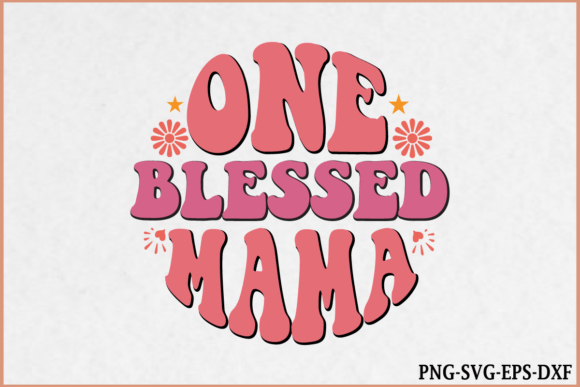
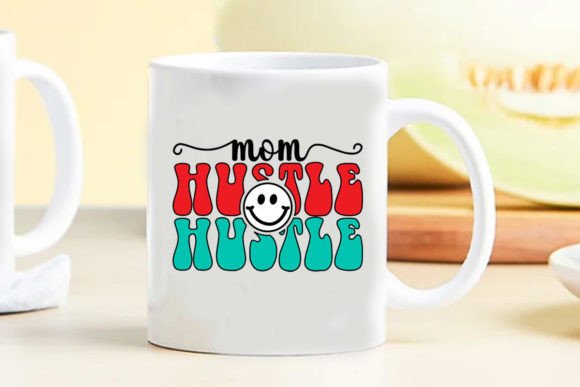
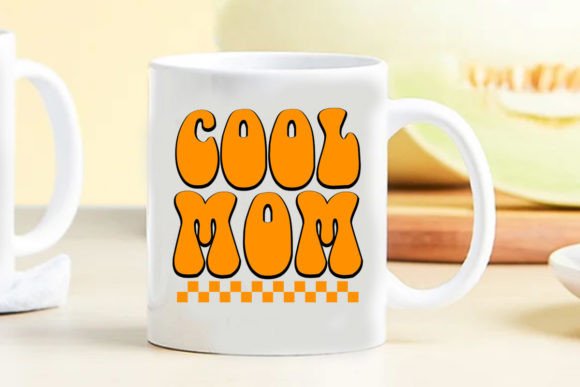
When evaluating Retro Mom Svg Hipple Mom for potential use in a commercial embroidery workflow, my first focus is always on the translation from screen to stitch. As a designer who regularly bridges the gap between digital graphics and tangible textiles, I look at this file not just as a cute illustration, but as a blueprint for thread. The retro aesthetic currently dominating the handmade market relies heavily on specific visual cues: groovy typography, organic shapes, and a sense of nostalgic warmth. This design captures that mood effectively in its high-resolution 300 DPI PNG format, but the true test lies in how those pixelated curves will behave under a needle.
The layout suggests a playful, vintage vibe that feels authentic rather than forced. For an Etsy seller or small shop owner, this matters because customers are increasingly savvy about distinguishing genuine retro styling from generic clip art. The transparent background provided in the zip folder is essential for creating clean printable mockups, allowing you to visualize the placement on a sweatshirt or tote bag before committing to production. However, as we move from digital preview to physical creation, we must consider how this graphic translates into a viable machine embroidery design.
Real-World Application: The Custom Sweatshirt Test
To truly judge the utility of Retro Mom Svg Hipple Mom, I mentally placed it into a recent client scenario: creating a custom embroidered crewneck sweatshirt for a boutique’s "Mama" collection. Sweatshirts are a staple for custom apparel, but they present unique challenges due to their stretchy fleece composition and textured surface. When reviewing this graphic for such a project, I immediately assessed the line weight and negative space.
In a real-life stitching situation, this design would likely require conversion into either an applique design or a combination of fill and satin stitches. If the lettering is bold and chunky—typical of the retro style—it offers excellent coverage on fleece without getting lost in the fabric texture. I envision using a cream-colored cotton twill applique for the main body of the text, secured with a tight satin border, against a sage green sweatshirt. This approach reduces stitch density significantly compared to a full-fill embroidery, preventing the garment from becoming stiff or bulletproof. For a handmade product intended to be worn comfortably, maintaining fabric drape is just as important as visual clarity.
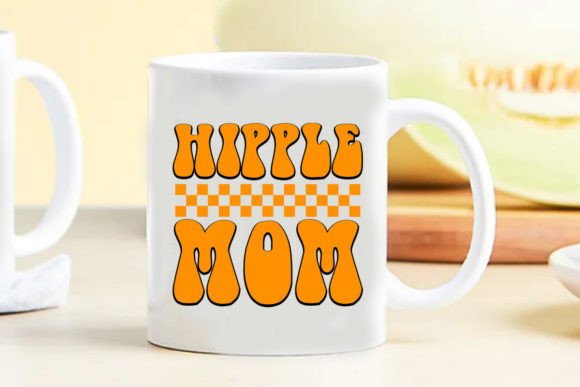
Furthermore, this design’s personality lends itself beautifully to personalized gifts. Imagine adding a smaller, simple running stitch name beneath the main retro graphic. The balance between the bold "Hipple Mom" element and delicate personalization creates a high-value perception that justifies a premium price point in a craft business setting.
Navigating Fabric Limitations and Hoop Constraints
While Retro Mom Svg Hipple Mom shines on stable knits and woven cottons, caution is required when venturing into more challenging substrates. As an experienced reviewer, I must emphasize that not all fabrics are created equal for this specific aesthetic. The retro style often involves intricate interior details or distressed textures within the graphic. On smooth t-shirts or quilting cotton, these details can be rendered beautifully with fine thread. However, on highly textured fabrics like terry cloth towels or ribbed knit caps, those subtle internal details may disappear entirely.
For tote bag design projects, canvas provides a fantastic, stable base that mimics the vintage feel of the artwork. Here, you can push the detail level higher. Conversely, if you are attempting this on a curved surface like a cap, you must evaluate the vertical height of the design. Retro fonts can sometimes be tall; if the design exceeds your cap frame’s safe zone, distortion is inevitable. Always check your hoop size limitations before purchasing or digitizing. If the original graphic is too large, scaling it down might render thin lines un-stitchable, while scaling it up could exceed your machine's field.
Dark fabrics also demand strategic planning. Since the provided files are high-resolution raster images, you cannot simply change the color of vector nodes. You must plan your thread colors to ensure sufficient contrast. White or metallic threads on navy fabric will make the retro pop stand out, whereas matching tones might result in a muddy, unreadable finished product. Always test on scrap fabric first to verify visibility.
Elevating Product Value Through Professional Execution
The difference between a hobbyist craft and a professional finished product often lies in the finishing details. Using Retro Mom Svg Hipple Mom as a foundation, your execution determines the perceived value. For commercial embroidery ventures, consistency is key. If you are selling this design across multiple items—from baby bibs to kitchen tea towels—you need a standardized approach to stabilizer and tension.
Visual appeal directly impacts buyer engagement. When listing this item online, use the high-quality JPG and PNG files to create lifestyle mockups that show scale accurately. Customers need to see how the design sits relative to the neckline of a shirt or the handle of a mug. This builds trust and reduces returns. Additionally, consider the longevity of the item. Retro designs on baby embroidery projects, for instance, must withstand frequent washing. Ensure your digitizing includes adequate underlay and secure tie-offs so the design doesn't unravel after three laundry cycles. A durable, well-executed design reinforces your brand’s reputation for quality.
Critical Designer Notes Before You Stitch
Before loading Retro Mom Svg Hipple Mom into your software or sending it to a digitizer, please heed these practical recommendations derived from years of production experience:
- Verify Licensing: The product description mentions files perfect for various crafts, but it does not explicitly state commercial licensing terms for embroidery. Always confirm whether you have the right to sell finished embroidered goods or if the license is limited to personal use or print-only products.
- Digitization Check: Remember that PNG, JPG, and PDF are image formats, not stitch files. You will need to manually digitize this or hire a professional to convert it into PES, DST, JEF, or your machine’s native format. Do not rely on auto-digitizing software for complex retro typography; manual adjustment ensures the satin stitch angles follow the curves naturally.
- Test Stitch Density: Retro graphics can be deceptively dense. Run a test stitch-out on the exact fabric you intend to use. If the fabric puckers, reduce the density or switch to an applique method. Proper stabilizer selection (cutaway for knits, tear-away for wovens) is non-negotiable.
- Mockup Accuracy: Use the transparent PNG to create realistic previews, but adjust the opacity slightly to mimic thread sheen rather than flat ink. This sets accurate expectations for buyers looking for digital embroidery file conversions or physical goods.
- Detail Inspection: Zoom in to 100% on the source file. Are there jagged edges or pixelation? At 300 DPI, it should be crisp, but always verify. Jagged pixels translate to jagged stitches. Clean up the artwork in vector software before digitizing for the smoothest possible result.
By approaching Retro Mom Svg Hipple Mom with a critical, technical eye, you transform a simple digital download into a profitable, professional asset. Whether you are crafting a holiday gift or stocking your Etsy shop for Mother’s Day, success comes from respecting both the artistry of the design and the physics of the thread.